
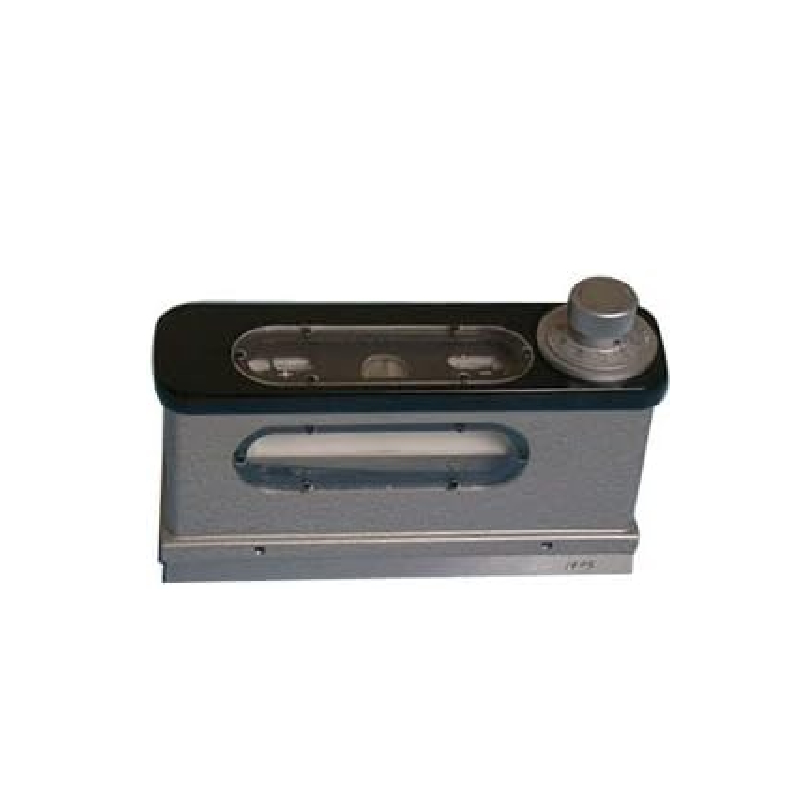
wired glass use
Reading a Dial Bore Gauge A Comprehensive Guide When it comes to precision measurement in mechanical engineering, the dial bore gauge is an essential tool. This handy device is primarily used to measure the internal diameter of holes with great accuracy. Whether you're working in a machine shop, an assembly line, or performing quality control checks, understanding how to read and utilize a dial bore gauge is crucial for ensuring that components meet specified tolerances. In this article, we will discuss the components of the dial bore gauge, how to read it accurately, and some tips for effective measurement. Components of a Dial Bore Gauge A dial bore gauge consists of several key components 1. Measuring Head This is where the actual measurement takes place. It typically has a set of interchangeable tips to accommodate different hole diameters. 2. Extension Rod This connects the measuring head to the dial indicator. It's usually made of a sturdy material that maintains rigidity during measurement. 3. Dial Indicator This component displays the measurement. It has a graduated dial that shows the distance traveled by the measuring head as it is inserted into the bore. 4. Adjustable Contact Points These are the tips that make contact with the inner surface of the bore. They can be adjusted to measure different diameters. 5. Locking Mechanism After taking a measurement, a locking mechanism may be used to retain the reading for easier viewing. Understanding these components is crucial not only for effective measurement but also for proper maintenance of the gauge . How to Read a Dial Bore Gauge Reading a dial bore gauge accurately involves a few systematic steps reading a dial bore gauge 1. Preparation Before taking any measurements, ensure that the gauge is clean and in good working order. If there are any residual oils, dirt, or debris on the measuring tips, clean them thoroughly to avoid inaccurate readings. 2. Setting the Gauge Insert the measuring head into the bore you intend to measure. Move the gauge slowly to avoid damaging the measuring tips. When you reach the point where the tips make contact with the bore's surface, note that the pointer on the dial will move. 3. Taking the Measurement The dial indicator will show a reading based on the movement of the measuring head. Make sure to take the gauge out slowly to avoid bouncing or jarring that might affect the reading. Note that the needle’s position will indicate how much the bore is either above or below the nominal specifications. 4. Interpreting the Reading The dial will typically have gradations, usually in thousandths of an inch or millimeters. Each full rotation of the needle represents a specific measurement increment. Be careful to read the value both from the dial and from any additional markings, if present. Some gauges also have a micrometer feature for more precise readings. 5. Verification After obtaining a measurement, it’s good practice to verify the results by taking multiple readings at different angles and positions within the bore. This helps to account for any irregularities in the hole’s shape. Tips for Effective Measurement - Handle with Care Always handle your gauge delicately to maintain its calibration. Avoid dropping it or exposing it to extreme temperatures, which could affect its accuracy. - Calibration Regularly calibrate your dial bore gauge according to the manufacturer's specifications. This helps ensure consistent and reliable measurements. - Practice If you're new to using a dial bore gauge, practice on known dimensions to build confidence and accuracy in your readings. - Documentation Record each measurement for quality control purposes and future reference. In conclusion, mastering the use of a dial bore gauge is an invaluable skill in any engineering or machining setting. With attention to detail and consistent practice, you can ensure precise measurements that will improve the quality of your work and meet the high standards of professional manufacturing. By following the guidelines laid out in this article, you can confidently wield this essential tool and enhance your technical capabilities.
about
wired glass use
Understanding Butterfly Valve Seat Types Butterfly valves are widely used in various industrial applications for regulating flow. One of the critical components of butterfly valves is the seat. The seat provides the sealing surface between the valve body and the disc, ensuring that the valve performs its function of controlling flow effectively. Various types of butterfly valve seats exist, each designed for specific applications and operational needs. This article will explore the different types of butterfly valve seats, their materials, configurations, and their applications. Types of Butterfly Valve Seats 1. Soft Seated Valves Soft seated butterfly valves have a seat made from elastomers or soft materials like rubber or PTFE (Polytetrafluoroethylene). These materials provide an excellent sealing capability, making them ideal for applications where a complete seal is vital. Soft seats are typically used in water, gas, and lower-pressure systems. They can effectively handle moderate temperatures and pressures, making them suitable for many general-purpose applications. 2. Metal Seated Valves Metal seated butterfly valves utilize a hard seat, usually made from metal alloys, which enhances durability and resistance to wear. These seats are ideal for high-temperature and high-pressure applications, where soft seats may fail. Metal-seated valves are commonly used in the oil and gas, chemical processing, and power generation industries. They offer excellent longevity and resistance to abrasive materials, making them suitable for harsh operating environments. 3. Fire-Safe Seats Fire-safe butterfly valve seats are designed to maintain a seal even under extreme temperatures and in the event of a fire. These seats are typically made with additional materials that can withstand high temperatures, ensuring that the valve retains its functionality during a fire emergency. Fire-safe butterfly valves are critical in industries dealing with flammable substances, such as petrochemicals and pharmaceuticals, where safety is paramount. 4. High Performance Seats High-performance butterfly valve seats are engineered for applications requiring precise control and tight sealing. These seats often combine various materials, including metal and elastomers, to achieve optimal sealing performance across a broader range of temperatures and pressures. High-performance seats are ideal for industries such as water treatment, pulp and paper, and HVAC systems, where reliability and efficiency are essential. Material Considerations The material used for butterfly valve seats is crucial, as it affects the valve’s performance, lifespan, and suitability for specific applications . Here are some common materials used for butterfly valve seats - EPDM (Ethylene Propylene Diene Monomer) Commonly used for soft seating, EPDM offers good chemical resistance and is suitable for various applications, including water and steam. However, it may not be compatible with certain oils and fuels. butterfly valve seat types - Nitrile (Buna-N) This material is known for its excellent resistance to petroleum products and is commonly used in oil and gas applications. However, it has limitations in high-temperature conditions. - PTFE PTFE is a versatile material with outstanding chemical resistance and can withstand high temperatures. It's often used in applications involving aggressive chemicals. - Metal Alloys For metal seats, materials like stainless steel and alloy compositions are preferred. These metals provide excellent resistance to wear and high-temperature capability. Choosing the Right Seat When selecting the appropriate butterfly valve seat type, consider the following factors - Application Requirements Analyze the specific needs of your application, such as pressure, temperature, and the nature of the fluid being controlled. - Material Compatibility Ensure that the seat material is compatible with the media it will come into contact with. This is crucial for preventing degradation and ensuring the valve functions effectively over time. - Performance Expectations Decide whether a soft or metal seat is necessary based on performance requirements. Soft seats are typically adequate for standard applications, while metal seats are preferable for extreme conditions. Conclusion Understanding the different types of butterfly valve seats is essential for selecting the right valve for any application. Each seat type has unique characteristics that make it suitable for specific environments and operational needs. By considering factors such as material compatibility, application requirements, and expected performance, industries can choose the most effective butterfly valve solutions that enhance reliability, efficiency, and safety in their processes. As technology advances, new materials and designs may further improve the functionality of butterfly valves, making them even more integral to industrial operations.
-

High quality industrial productsagement

High quality industrial products
View Details -

Meet the diverse needs of customers

Meet the diverse needs of customers
View Details -

Strict quality control

Strict quality control
View Details -

Top raw materials

Top raw materials
View Details -

Trusted supplier

Trusted supplier
View Details
Our application


news and information
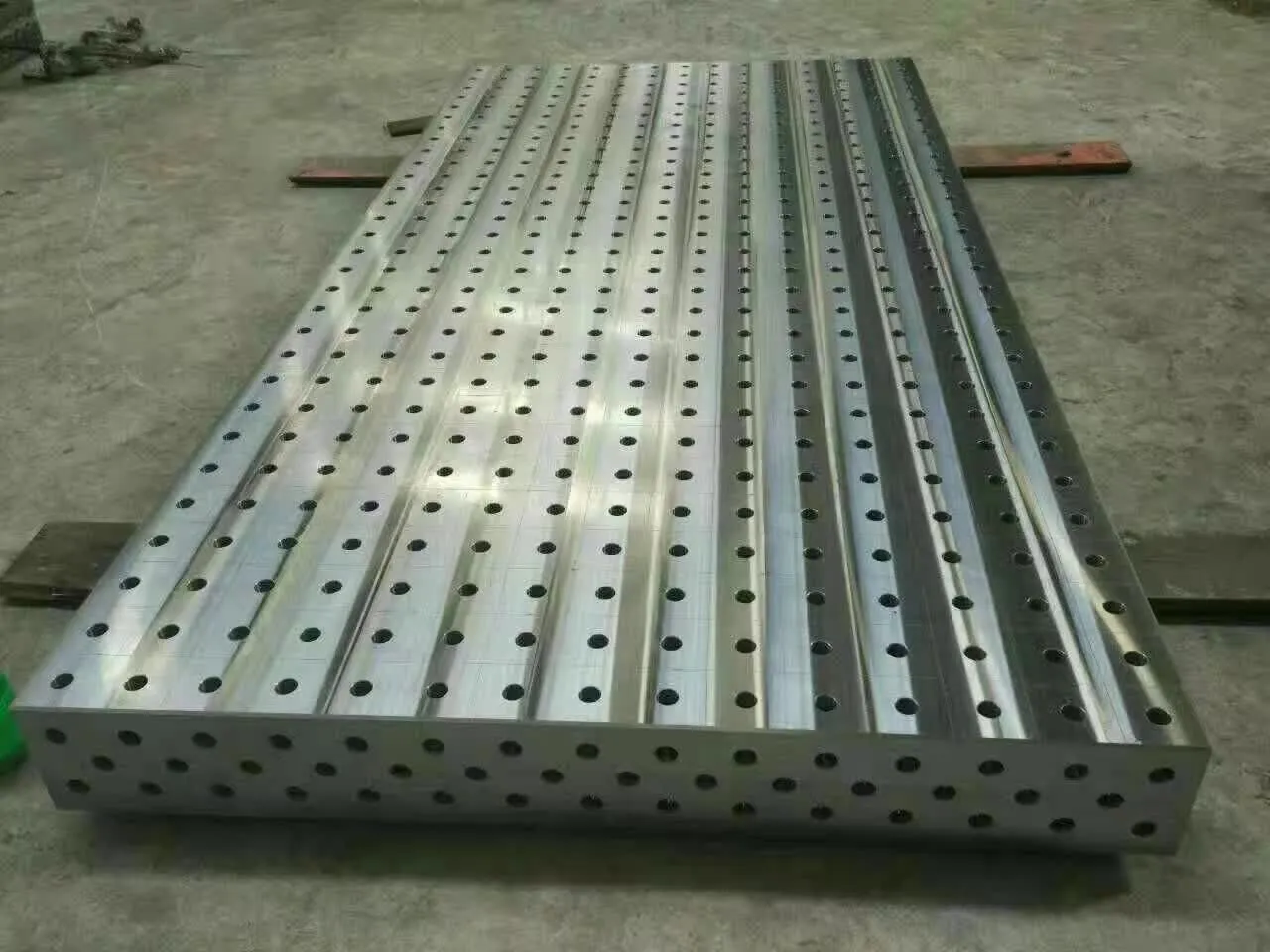
Válvula de agua 1 y 2 para sistemas hidráulicos eficientes y de bajo consumo
La Importancia de la Válvula de Agua 1-2 en los Sistemas Hidráulicos En el ámbito de la ingeniería h
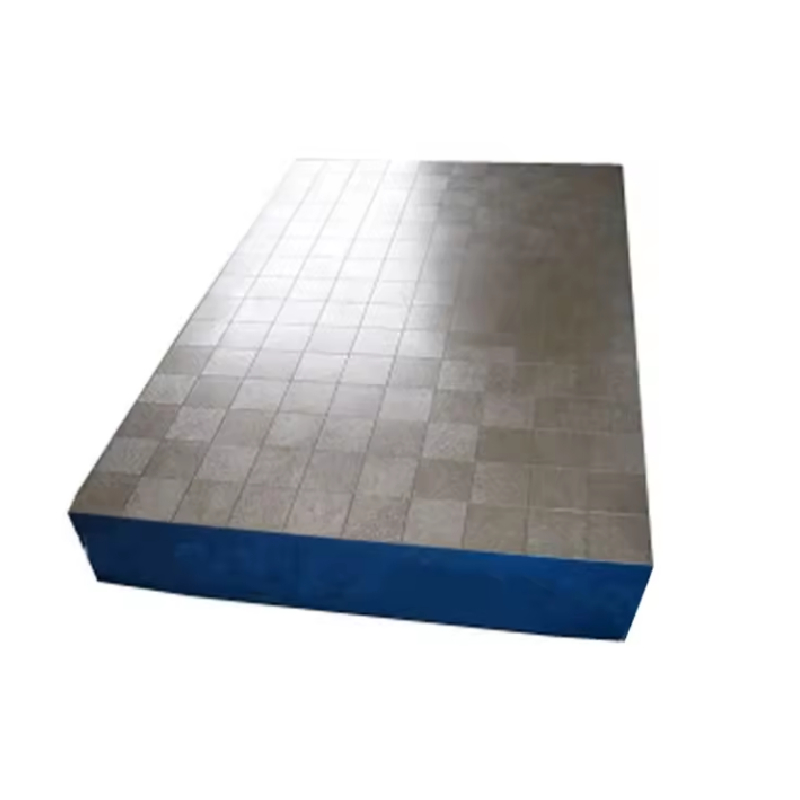
which way is open on a water valve
Understanding Water Valve Orientation Which Way is Open? Water valves are crucial components in plum
Versatile Magnetic Vee Block for Precision Workholding and Machining Applications
The Magnetic Vee Block A Versatile Tool for Precision Alignment In the realm of manufacturing and ma
 English